


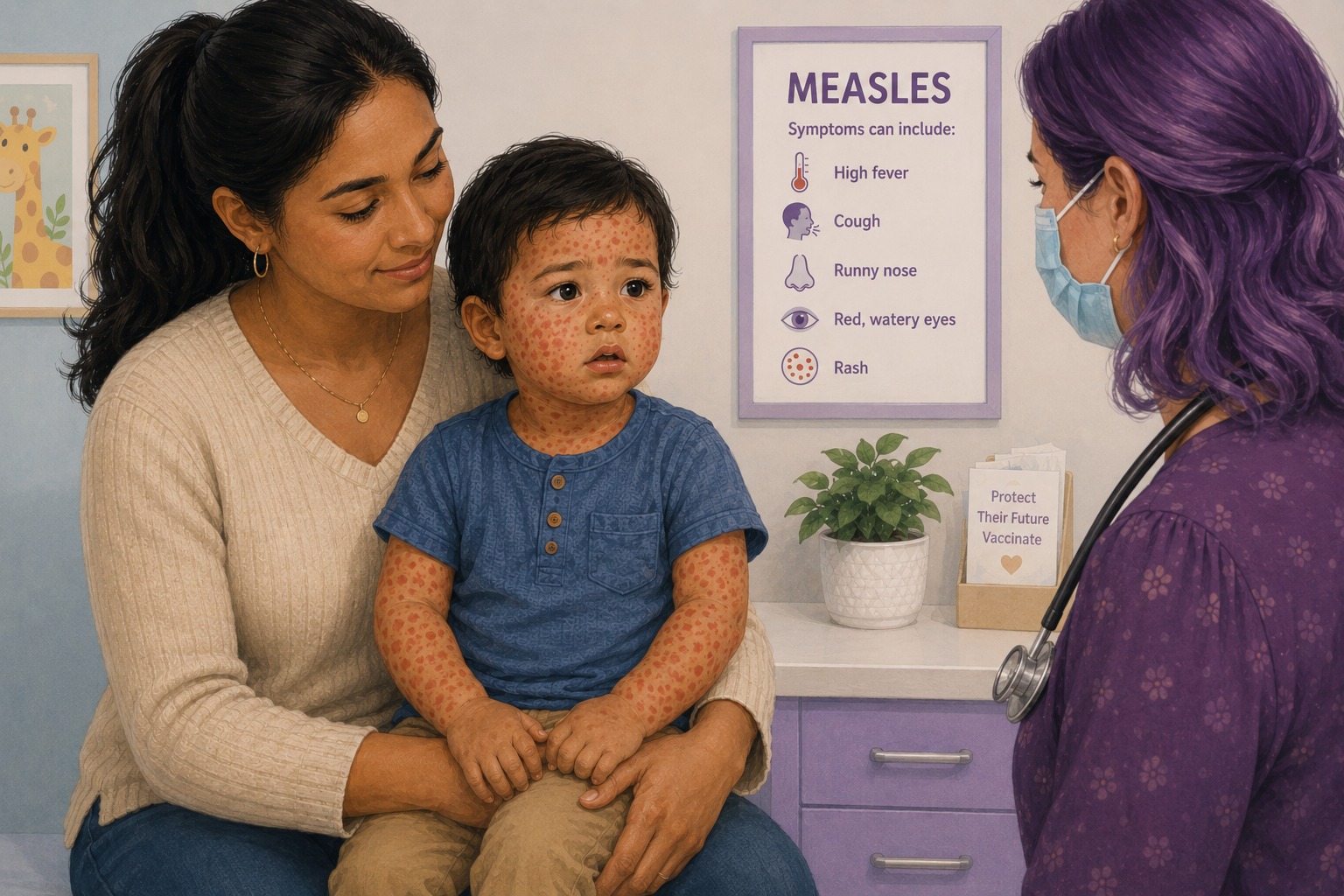
Learn about the measles outbreak & updated MMR vaccine recommendations for your child. Contact Lynchburg Pediatrics for guidance on symptoms & protection.
Hand, Foot, and Mouth Disease: What Parents Need to Know Amid a Summer Surge This summer, our community has seen a noticeable increase in cases of Hand, Foot, and Mouth Disease (HFMD) —a common viral illness that mostly affects infants and young children. At our pediatric office, we want to help you recognize the symptoms, understand how it spreads, and know how to care for your child if they become sick. What Is Hand, Foot, and Mouth Disease? HFMD is usually caused by coxsackievirus and is most common in children under 5, though older kids and even adults can occasionally be affected. It is highly contagious and spreads through coughs, sneezes, saliva, fluid from blisters, and stool. Common Symptoms Include: Fever Sore throat Painful mouth sores A rash or small blisters on the hands, feet, and sometimes the buttocks or legs Decreased appetite or fussiness in young children Symptoms typically appear 3–6 days after exposure and can last up to a week. Why Are Cases Increasing Now? Summer often brings more group activities like camps, daycare programs, and family gatherings—ideal environments for viruses like HFMD to spread quickly. This year, we’re seeing an especially active season. How Can I Help Prevent It? While there’s no vaccine for HFMD, good hygiene is your best defense: Encourage frequent handwashing with soap and water Disinfect commonly touched surfaces and shared toys Keep children home when they're sick, especially if they have a fever or rash When to Call the Doctor Most cases of HFMD are mild and resolve on their own. However, you should contact your pediatrician if your child: Has a high fever lasting more than 3 days Refuses to drink fluids or shows signs of dehydration Appears unusually sleepy or irritable Has symptoms that worsen or don’t improve after a few days We're Here to Help If you have concerns or think your child might have HFMD, don’t hesitate to reach out. Our office is here to support your family through the summer and beyond with compassionate, expert care
We are seeing a lot of cases of Norovirus and other stomach bugs in our community. Norovirus is a highly contagious virus that causes gastroenteritis, leading to symptoms like nausea, vomiting, diarrhea, stomach cramps, and sometimes fever or headache. These symptoms typically appear suddenly and can last anywhere from one to three days. In young children, the impact of norovirus can be more severe, as they are more prone to dehydration due to their smaller body size and higher fluid turnover. Dehydration in young children can lead to dry mouth, sunken eyes, reduced urine output, and lethargy, all of which require urgent medical attention. Parents should seek evaluation by a pediatrician if their child exhibits signs of severe dehydration, such as excessive thirst, inability to keep fluids down, a decrease in wet diapers, or a dry mouth. Additionally, if the child appears excessively sleepy, has a high fever, or shows blood in the stool or vomit, it's essential to contact a healthcare provider. Young children, particularly those under the age of 5, are at higher risk for complications from norovirus, making prompt medical attention important to prevent further health issues.
Learn about the measles outbreak & updated MMR vaccine recommendations for your child. Contact Lynchburg Pediatrics for guidance on symptoms & protection.
Hand, Foot, and Mouth Disease: What Parents Need to Know Amid a Summer Surge This summer, our community has seen a noticeable increase in cases of Hand, Foot, and Mouth Disease (HFMD) —a common viral illness that mostly affects infants and young children. At our pediatric office, we want to help you recognize the symptoms, understand how it spreads, and know how to care for your child if they become sick. What Is Hand, Foot, and Mouth Disease? HFMD is usually caused by coxsackievirus and is most common in children under 5, though older kids and even adults can occasionally be affected. It is highly contagious and spreads through coughs, sneezes, saliva, fluid from blisters, and stool. Common Symptoms Include: Fever Sore throat Painful mouth sores A rash or small blisters on the hands, feet, and sometimes the buttocks or legs Decreased appetite or fussiness in young children Symptoms typically appear 3–6 days after exposure and can last up to a week. Why Are Cases Increasing Now? Summer often brings more group activities like camps, daycare programs, and family gatherings—ideal environments for viruses like HFMD to spread quickly. This year, we’re seeing an especially active season. How Can I Help Prevent It? While there’s no vaccine for HFMD, good hygiene is your best defense: Encourage frequent handwashing with soap and water Disinfect commonly touched surfaces and shared toys Keep children home when they're sick, especially if they have a fever or rash When to Call the Doctor Most cases of HFMD are mild and resolve on their own. However, you should contact your pediatrician if your child: Has a high fever lasting more than 3 days Refuses to drink fluids or shows signs of dehydration Appears unusually sleepy or irritable Has symptoms that worsen or don’t improve after a few days We're Here to Help If you have concerns or think your child might have HFMD, don’t hesitate to reach out. Our office is here to support your family through the summer and beyond with compassionate, expert care
We are seeing a lot of cases of Norovirus and other stomach bugs in our community. Norovirus is a highly contagious virus that causes gastroenteritis, leading to symptoms like nausea, vomiting, diarrhea, stomach cramps, and sometimes fever or headache. These symptoms typically appear suddenly and can last anywhere from one to three days. In young children, the impact of norovirus can be more severe, as they are more prone to dehydration due to their smaller body size and higher fluid turnover. Dehydration in young children can lead to dry mouth, sunken eyes, reduced urine output, and lethargy, all of which require urgent medical attention. Parents should seek evaluation by a pediatrician if their child exhibits signs of severe dehydration, such as excessive thirst, inability to keep fluids down, a decrease in wet diapers, or a dry mouth. Additionally, if the child appears excessively sleepy, has a high fever, or shows blood in the stool or vomit, it's essential to contact a healthcare provider. Young children, particularly those under the age of 5, are at higher risk for complications from norovirus, making prompt medical attention important to prevent further health issues.